Unlocking the Potential of Your Hunting Log Book: A Comprehensive Guide
For those who are passionate about hunting, a Hunting Log Book is an indispensable tool. This log book serves as a detailed record of your hunting experiences, helping you track and improve your skills over time. Whether you're a seasoned hunter or just starting out, a well-organized log book can make a significant difference in your hunting journey.
Why Choose a Hunting Log Book?
A Hunting Log Book is not just a simple journal; it's a comprehensive tool that helps you document every aspect of your hunting trips. From the weather conditions to the type of game, and from the location to the equipment used, a log book allows you to keep a thorough and organized record. This information can be invaluable for planning future hunts, understanding patterns, and improving your overall hunting strategy.
Common Mistakes to Avoid When Using a Hunting Log Book
While a Hunting Log Book is a powerful tool, there are several common mistakes that can hinder its effectiveness. Here are some key pitfalls to avoid:
- Not Consistently Updating the Log: One of the most common mistakes is failing to update the log regularly. This can lead to gaps in your data, making it difficult to draw meaningful insights. Make it a habit to update your log book immediately after each hunt.
- Overlooking Important Details: Another mistake is not recording all the relevant details. For instance, overlooking the weather conditions, the specific location, or the type of gear used can limit the usefulness of your log. Be thorough and include as much detail as possible.
- Using a Generic Template: While a generic template might seem convenient, it may not cater to your specific needs. Customize your log book to include sections that are most relevant to your hunting style and goals. This will make your log book more useful and tailored to your requirements.
Practical Advice for Maximizing Your Hunting Log Book
To get the most out of your Hunting Log Book, follow these practical tips:
- Set Clear Objectives: Before you start using your log book, define what you want to achieve. Are you looking to improve your shooting accuracy, track specific game, or understand seasonal patterns? Setting clear objectives will help you focus on the most important aspects of your hunting experience.
- Create a Routine: Establish a routine for updating your log book. This could be right after each hunt or at the end of the day. Consistency is key to maintaining a reliable and useful log.
- Review and Analyze Regularly: Periodically review your log book to identify patterns, trends, and areas for improvement. This analysis can provide valuable insights and help you refine your hunting strategies.
What to Check Before Making a Decision
When choosing a Hunting Log Book, consider the following factors to ensure you select the best one for your needs:
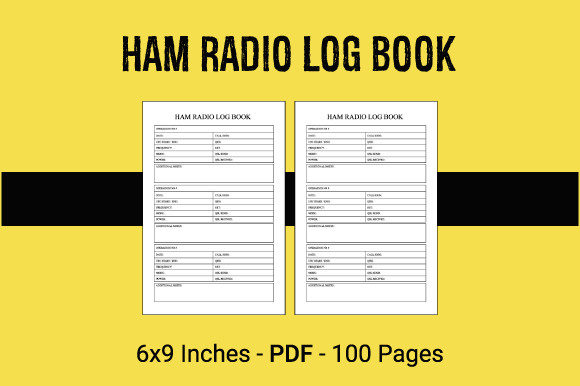
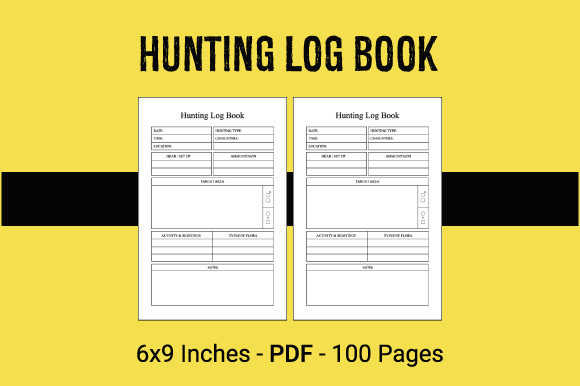
- Dimensions and Format: Ensure the log book has the right dimensions (6" x 9" inches) and format (no bleed, high-resolution PDF files) to fit your publishing requirements, whether for Print on Demand (POD) or Amazon Kindle Direct Publishing (KDP).
- Page Count and Layout: Look for a log book with 100 pages, providing ample space for detailed entries. The layout should be user-friendly and well-organized, with different interior pages to suit various types of information.
- Customization Options: Opt for a log book that allows for customization. This way, you can tailor the log book to your specific needs and preferences, making it more effective and personalized.
By avoiding common mistakes and following these practical tips, you can make the most of your Hunting Log Book. Whether you're a beginner or a seasoned hunter, a well-maintained log book can significantly enhance your hunting experience and help you achieve your goals.